

Choosing the right perfume starts with understanding that fragrances change over time. A perfume is made of top notes that create the first impression, middle notes that define its character, and base notes that last the longest. Knowing fragrance families such as floral, woody, fresh, or oriental helps narrow down your preferences. Your personality also plays an important role, as a scent should reflect who you are and how you want to feel.
Lifestyle and occasion matter too—lighter fragrances work better for daily or professional settings, while stronger scents suit evenings or special events. Seasons affect perfume performance, with fresh scents being ideal for warm weather and richer scents better for colder months. Skin chemistry is crucial because the same perfume can smell different on different people, so testing on your own skin is essential. When testing, apply the perfume once and wait before deciding to experience how it truly develops. Avoid common mistakes such as buying impulsively or judging a scent too quickly. Ultimately, the best perfume is the one that makes you feel confident and comfortable being yourself.
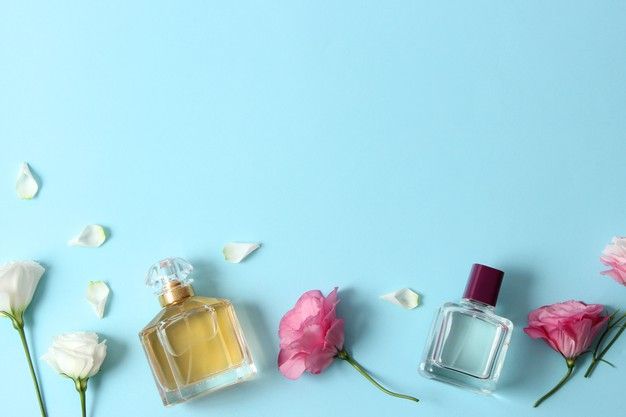
Know Your Fragrance Family

Perfumes are grouped into families. Identifying the one you’re drawn to makes choosing much easier.
- Floral – Romantic, soft, elegant
- Woody – Warm, earthy, confident
- Oriental / Amber – Sensual, rich, mysterious
- Fresh (Citrus, Aquatic) – Clean, energetic, light
- Gourmand – Sweet, cozy, edible notes like vanilla or caramel
Match Your Perfume to Your Personality

Your scent should feel like you.
- Romantic & gentle: Florals or soft musks
- Bold & confident: Spicy or woody scents
- Minimalist & modern: Fresh or clean notes
- Creative & adventurous: Oriental or niche blends
A perfume is a silent introduction, make sure it tells the right story.

Choose According to Season & Climate

In warm or hot climates, heat intensifies scents, making heavy perfumes feel overpowering. Light and fresh fragrances work best because they evaporate gently and feel refreshing. Citrus, aquatic, green, and soft floral notes are ideal for summer as they create a clean and airy impression without becoming too strong.
In cold climates, fragrances tend to fade more quickly and may smell softer. Richer and warmer perfumes perform better because they develop slowly and last longer. Woody, spicy, amber, vanilla, and oriental notes are perfect for winter, as they provide warmth and depth.
Season also influences day and night choices. During the day, especially in warmer weather, subtle and fresh scents are more comfortable. In the evening, when temperatures drop, deeper and more intense fragrances feel more appropriate and elegant.
Final tip